Under Our Glow:
- The human skin is the body’s largest organ, composed of three main layers: the epidermis, dermis, and hypodermis. These layers work together to protect the body, regulate temperature, and provide sensation
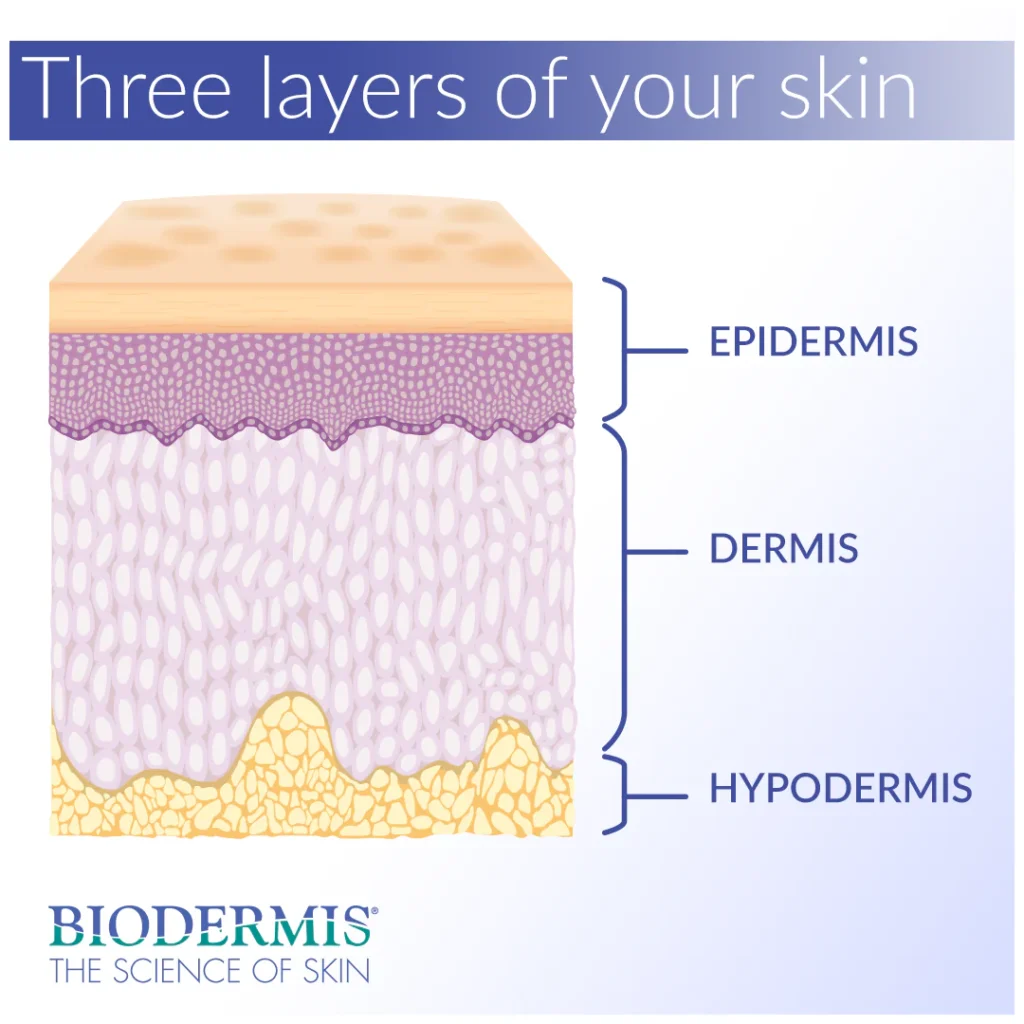
- The epidermis is the skin’s outer layer and is essential for protecting us from the sun. It constantly renews and sheds cells, creating a barrier against UV rays, germs, and other dangers. Taking care of your epidermis is important for staying safe in the sun and keeping your skin healthy. Simple practices like using sunscreen, staying hydrated, and gentle cleansing can help maintain this vital layer and support overall skin health.
- The dermis lies beneath the epidermis and contains essential structures like blood vessels, hair follicles, and sweat glands. It provides strength and elasticity to the skin through collagen and elastin fibers. This layer also contains nerve endings for sensation. To maintain a healthy dermis, focus on hydration, nutrition, and using products that support collagen production.
- The hypodermis, also known as the subcutaneous layer, is the deepest layer of skin located beneath the dermis. It consists mainly of fat and connective tissue, providing insulation, cushioning, and energy storage. The hypodermis also anchors the skin to underlying structures like muscles and bones. To protect and maintain this layer, focus on a balanced diet, regular exercise, and staying hydrated.
What is Skin Cancer?
Skin cancer is a disease where skin cells grow abnormally and uncontrollably, often forming tumors. These changes usually occur due to damage to the DNA in skin cells, which disrupts their normal growth and repair processes. The primary cause of this DNA damage is ultraviolet (UV) radiation, either from the sun or artificial sources like tanning beds, though genetic factors and exposure to harmful chemicals can also contribute.
Skin cancer typically develops in the epidermis, which is why it is often visible, making early detection possible. Depending on the type of skin cancer, the abnormal cells may stay localized or spread to other parts of the body if untreated.
RISK FACTORS:
- Lighter skin color
- Family history of skin cancer
- A history of sunburns or constant tanning
- Older age
- Certain types of moles
- Scars from diseases and burns
How to Prevent Skin Cancer:
Practice Sun Safety:
- Stay in the shade during prime UV hours
- Wear sunglasses that block both UVA and UVB rays
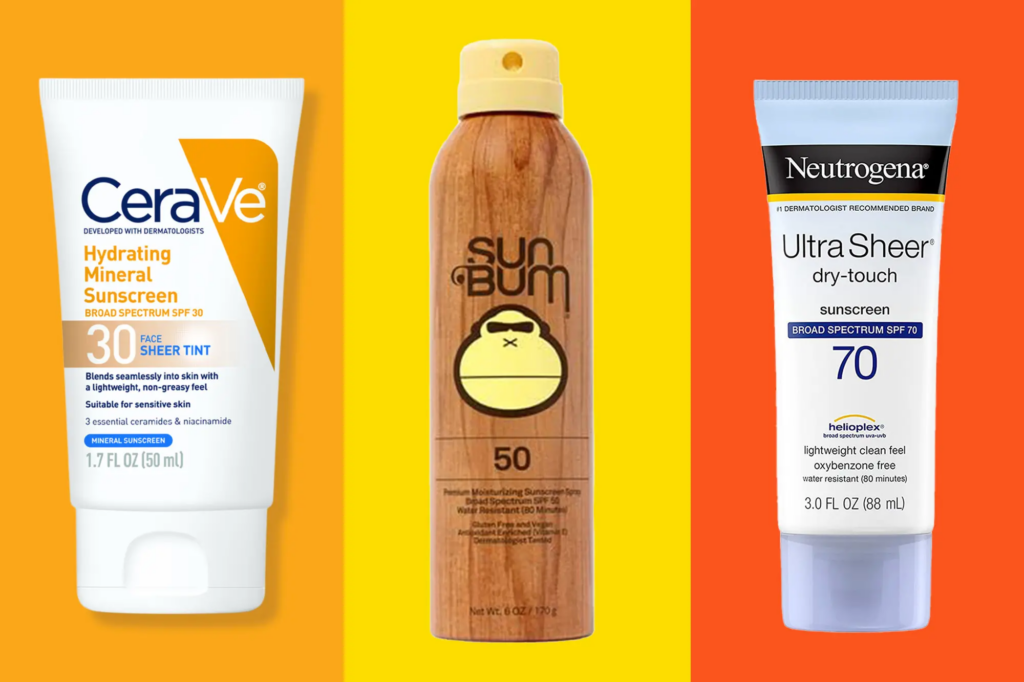
- Use chemical safe sunscreen with SPF 15 or higher (recommended)
NO Indoor Tanning:
Indoor tanning, which involves the use of tanning beds, booths, or sunlamps to achieve a darker skin tone, subjects users to elevated levels of ultraviolet (UV) radiation. Prolonged exposure to these UV rays can lead to serious health issues, including skin cancers, cataracts, and eye cancers.
⚠️Assess Your Melanoma Risk with the MRAT:
Checkout Amazon’s Favorite Sunscreen Brands: